Transport systems are complex, highly interconnected, and constantly affected by variability. A delay in one part of the network can quickly flow through to yards, berths, loading points, warehouses, truck fleets, and customer delivery performance.
Discrete Event Simulation (DES) helps transport operators understand how these systems really behave under changing operating conditions. By modelling the movement of vehicles, cargo, equipment, people, and processes over time, DES makes it possible to test improvements before implementing them in the real world.
At Andymus Consulting, we use DES to support better decisions in rail operations, ports, road freight, warehouses, and intermodal terminals — helping clients improve throughput, reduce delays, increase asset utilisation, and lower operational risk.
Why use Discrete Event Simulation in transport?
Transport operations are rarely constrained by a single asset. Performance is usually shaped by the interaction between many moving parts — arrivals, departures, queues, loading and unloading times, labour availability, equipment reliability, storage capacity, maintenance windows, scheduling rules, and demand variability.
Discrete Event Simulation is particularly valuable where systems are:
- dynamic and time-dependent
- affected by queuing, congestion, and variability
- influenced by resource constraints and operating rules
- difficult to analyse using static calculations or spreadsheets
- under pressure to improve service, efficiency, and resilience
DES allows operators to explore “what if” scenarios in a low-risk way, identify bottlenecks, compare operating strategies, and quantify the likely impact of changes before committing capital or operational resources.
01
Rail
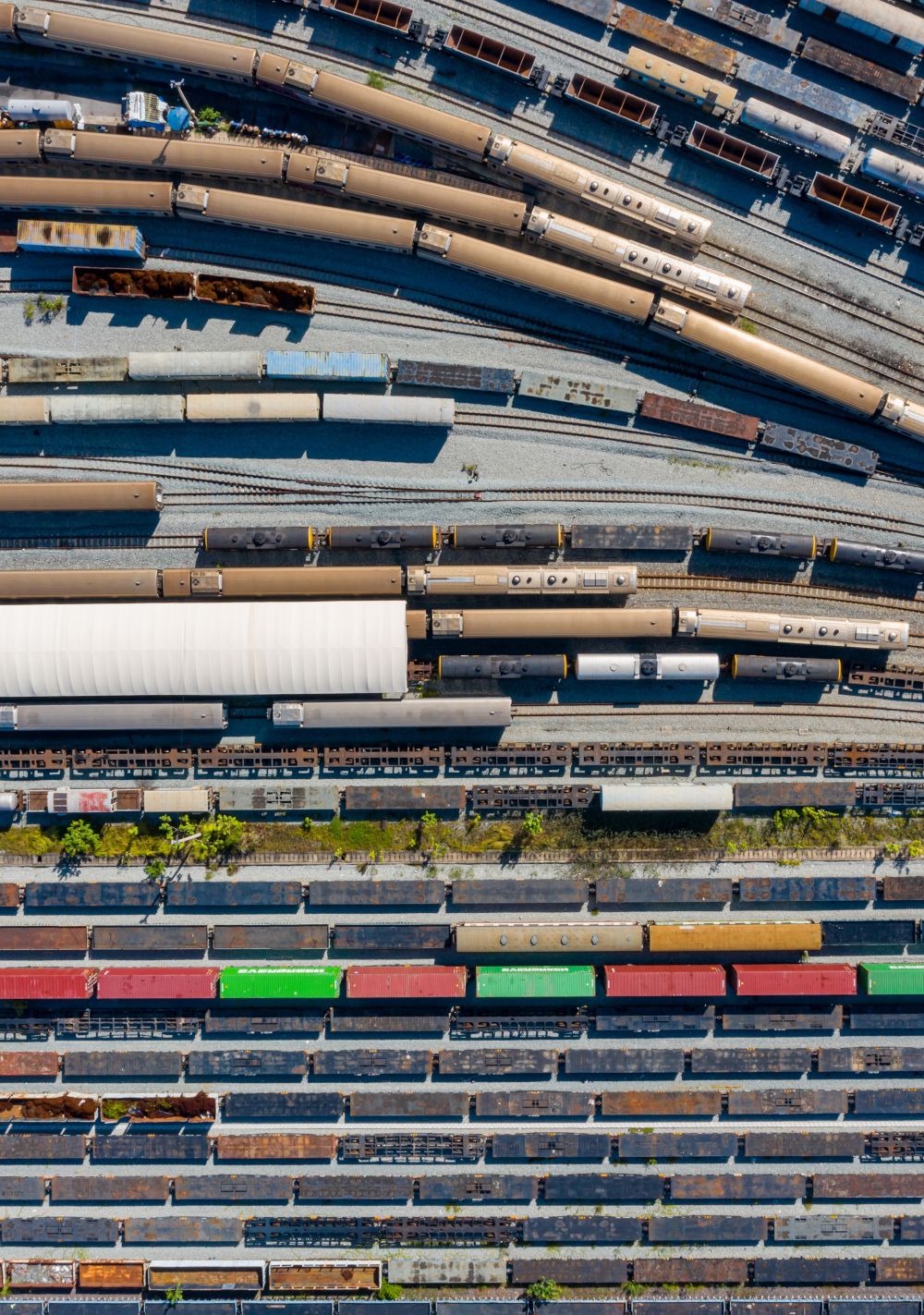
In rail systems, DES can be used to model train movements, passing loops, terminal interfaces, loading and unloading cycles, rollingstock utilisation, and schedule interactions across the network.
Typical applications include:
- evaluating line capacity and timetable robustness
- testing the impact of additional train services or changed run patterns
- assessing loading, unloading, and turnaround performance
- identifying delays caused by crossings, conflicts, or terminal constraints
- improving utilisation of locomotives, wagons, crews, and rail infrastructure
For bulk commodities, freight networks, or industrial logistics chains, DES helps reveal how variability in loading rates, siding occupancy, or downstream constraints can affect total system performance.
02
Ports
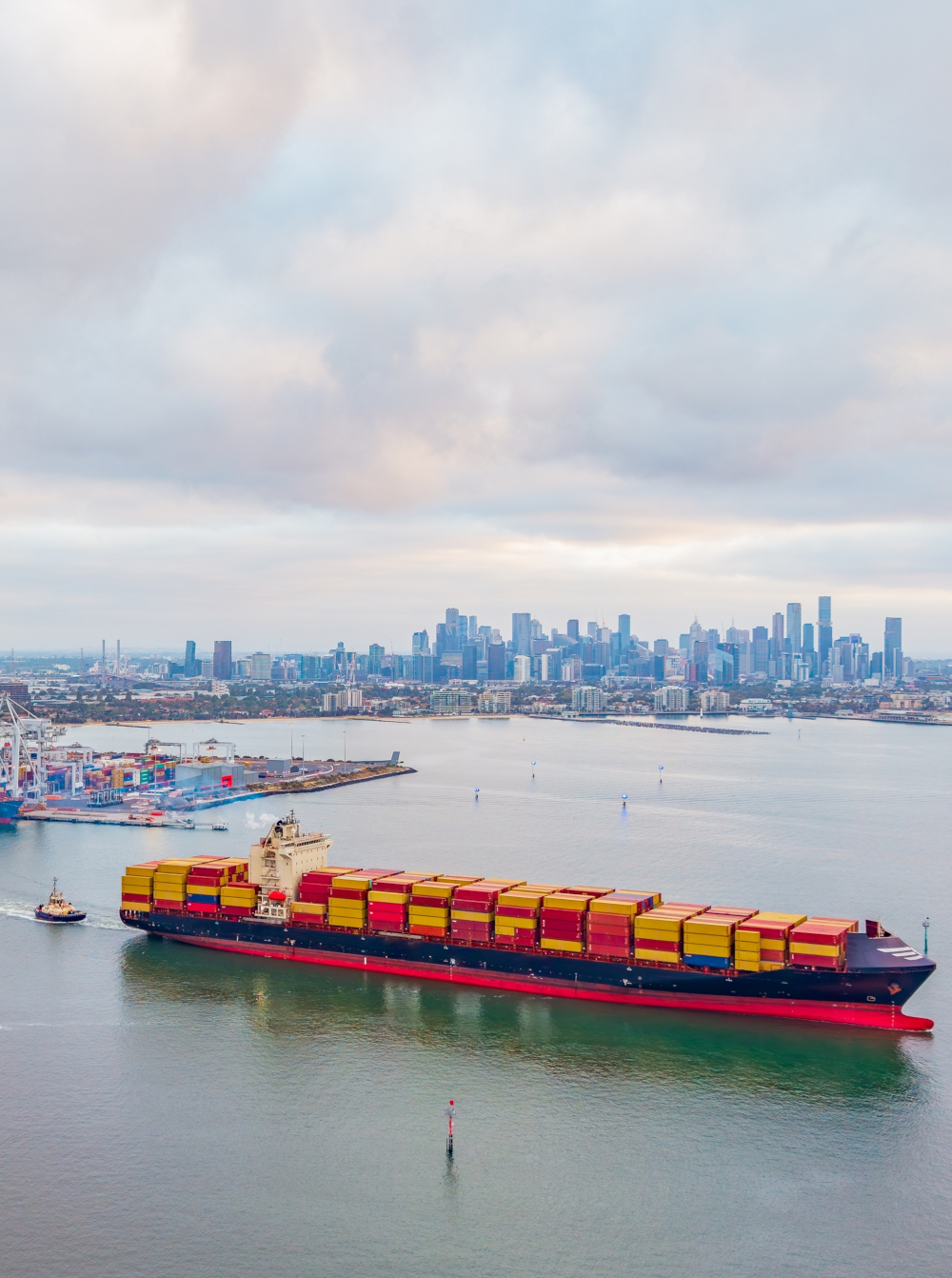
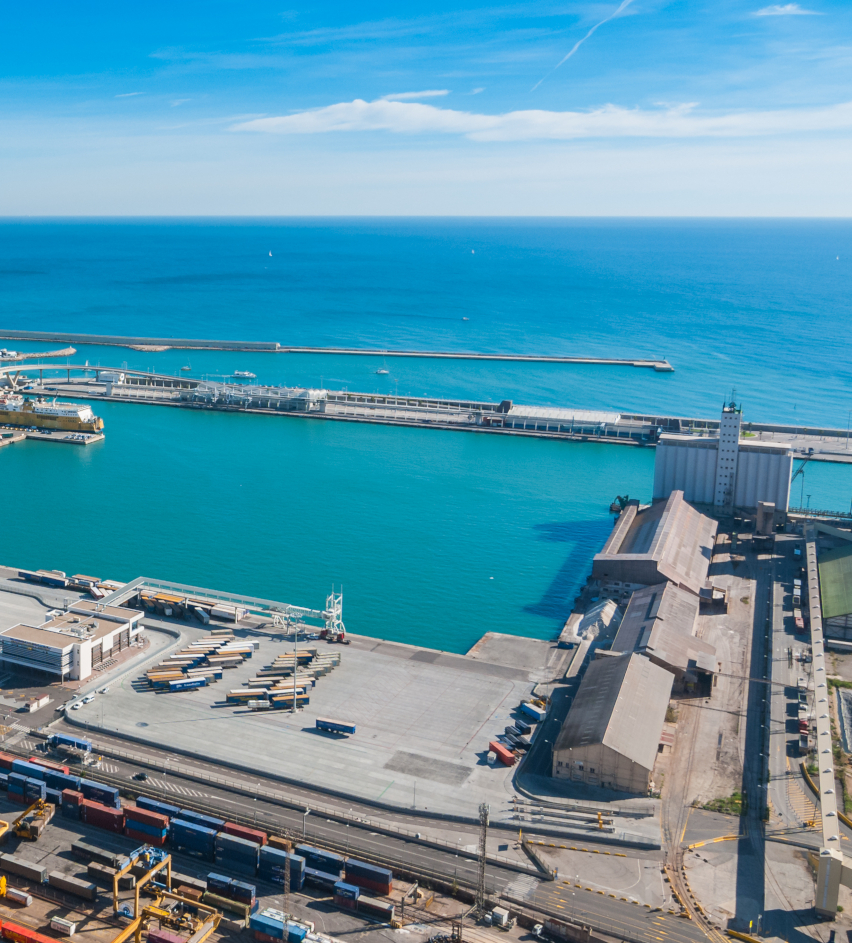
Ports are ideal environments for DES because they involve tightly coupled operations, shared resources, and constant interaction between marine, landside, and storage systems.
DES can support analysis of:
- berth occupancy and vessel queuing
- ship loading and unloading performance
- stacking, reclaiming, and stockyard flows
- equipment utilisation such as cranes, reclaimers, shiploaders, and mobile plant
- truck and rail interfaces with port operations
- the effect of weather, outages, and operating policies on throughput
For both container and bulk handling environments, DES helps operators understand where delays originate, how they propagate, and what practical changes will improve throughput and reliability.
03
Road Freight
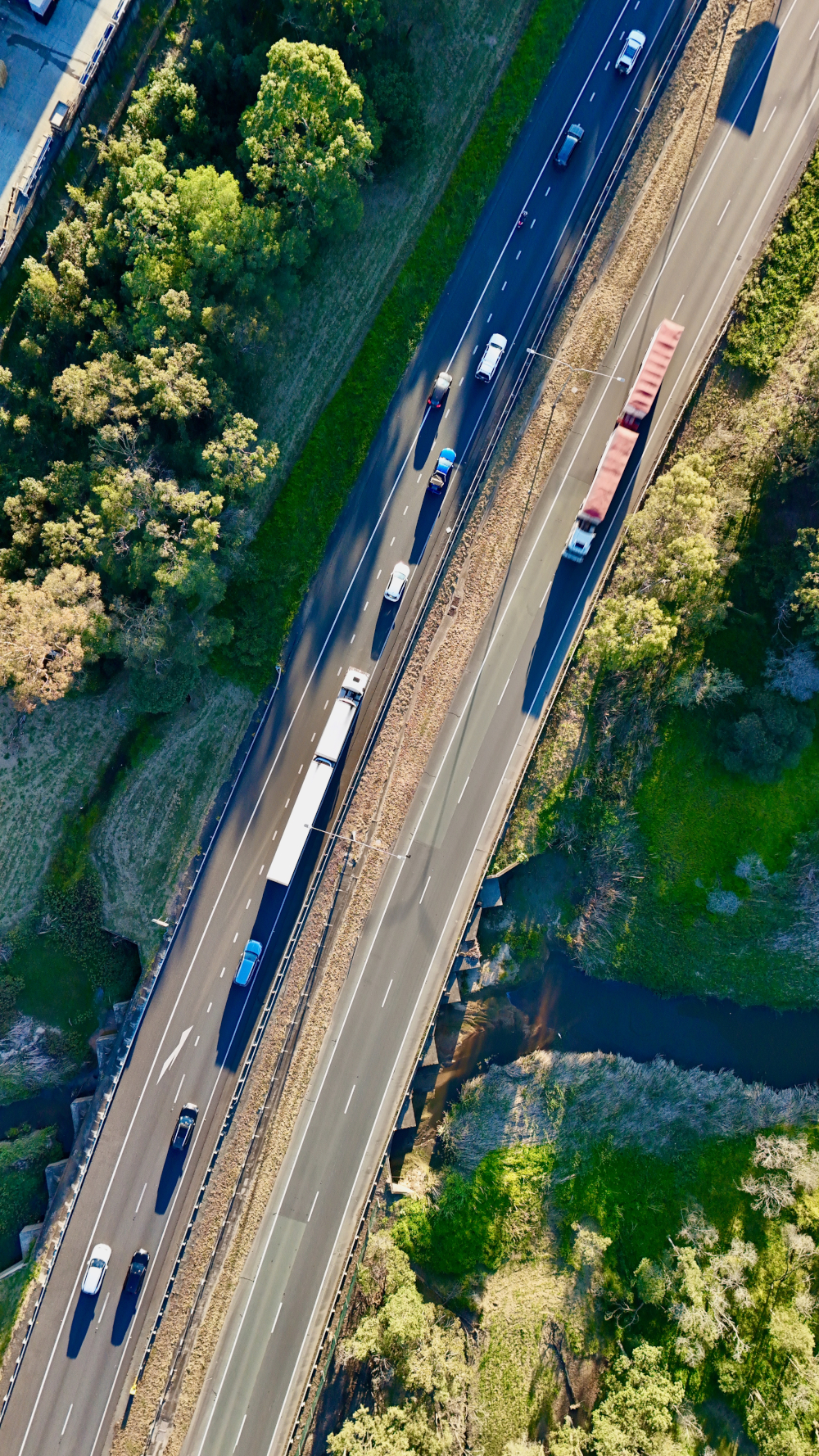
Road freight operations are influenced by dispatch timing, travel variability, loading windows, fleet size, turnaround time, congestion, and customer service expectations. DES can help road transport operators evaluate how these factors combine across the full logistics chain.
Common use cases include:
- analysing fleet sizing and vehicle utilisation
- improving dispatch rules and route-release strategies
- assessing loading bay congestion and turnaround times
- evaluating the impact of delivery windows, peak demand, or shift structures
- understanding how delays at depots, customer sites, or terminals affect overall network performance
Rather than optimising one route in isolation, DES shows how the entire operation behaves over time under realistic demand and service conditions.
04
Warehouses and Distribution Centres
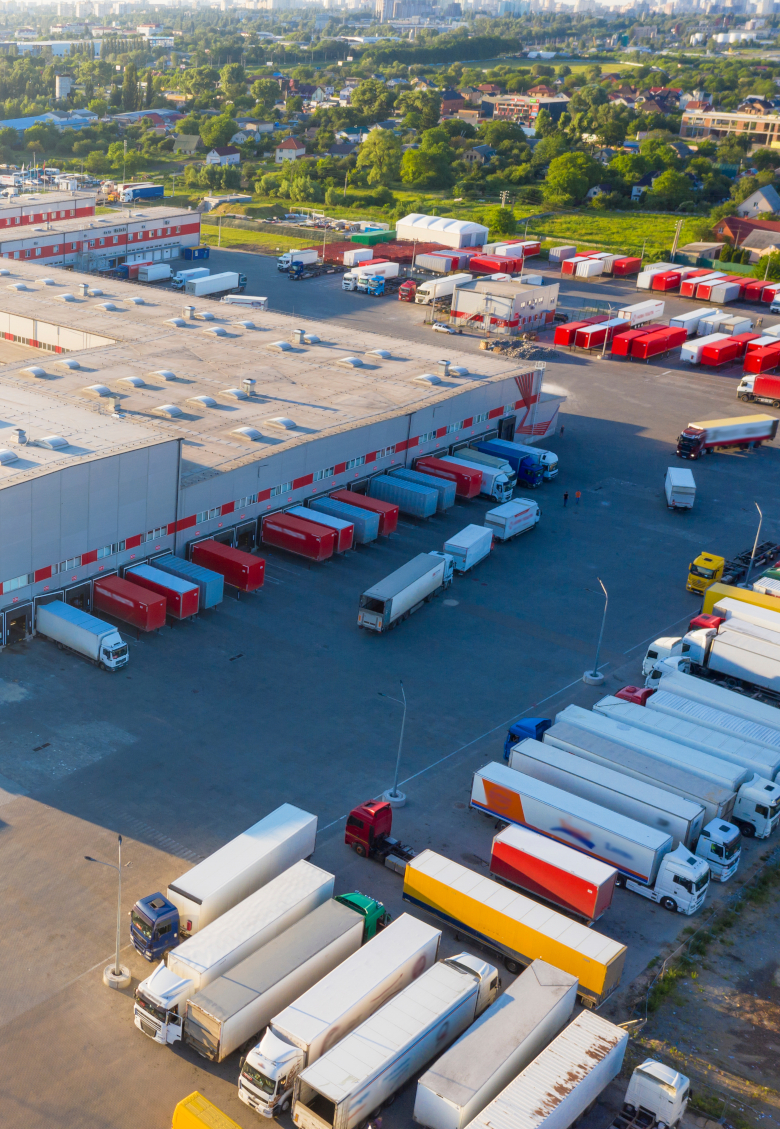
Warehouses are often at the centre of the transport network, linking inbound supply, storage, processing, and outbound dispatch. Small delays in receiving, putaway, picking, staging, or loading can create major operational consequences.
DES can be used to model:
- inbound receiving and dock scheduling
- storage and replenishment flows
- order picking, packing, and staging
- forklift, labour, and equipment utilisation
- dispatch sequencing and truck turnaround
- the operational effects of layout changes, automation, staffing levels, or demand surges
This makes DES a powerful tool for testing warehouse expansion options, improving labour planning, and identifying process bottlenecks before they affect service performance.
05
Intermodal Terminals
Intermodal terminals are where complexity becomes visible. Rail, trucks, storage areas, container handling equipment, and scheduling rules all compete for space and time. DES helps operators understand terminal performance not just as a set of individual processes, but as an integrated system.
Typical applications include:
- analysing truck gate performance and wait times
- assessing rail arrival and departure interactions
- evaluating lift equipment utilisation and stacking strategies
- identifying bottlenecks in container transfer, storage, and retrieval
- testing the effect of terminal layout changes, expanded capacity, or revised operating rules
- improving coordination between road and rail interfaces
For intermodal operations, DES provides a practical way to test how operational and infrastructure changes will affect throughput, dwell time, queueing, and service reliability.
Questions DES can help answer
Discrete Event Simulation is particularly useful when decision-makers need more than a high-level estimate.
It can help answer questions such as:
- Where is the true bottleneck in the system?
- What throughput can the operation realistically sustain?
- How sensitive is performance to delays, downtime, or variable arrivals?
- What happens if demand increases?
- Will additional equipment, labour, or storage capacity actually improve performance?
- How should dispatching, scheduling, or operating rules change?
- What is the likely impact of infrastructure upgrades before capital is committed?
- How can the operation reduce congestion, waiting time, and service variability?
Outcomes and Benefits
Well-executed DES provides more than an animation or conceptual model. It gives organisations a structured basis for decision-making.
Benefits can include:
- improved throughput and service performance
- reduced delay, queueing, and congestion
- better asset and labour utilisation
- improved understanding of system-wide interactions
- reduced risk when evaluating operational changes or capital investments
- stronger evidence for business cases, planning studies, and improvement programs
Why Andymus Consulting
At Andymus Consulting, we combine engineering insight, operational understanding, and practical modelling capability to support better decisions in complex industrial and logistics environments.
Our approach focuses on:
- building models that reflect how the operation actually works
- identifying the constraints that matter most
- testing realistic scenarios and improvement options
- supporting decisions with clear analysis, not assumptions
- helping clients reduce risk before changes are implemented
Whether the challenge is in rail logistics, port operations, freight networks, warehouses, or intermodal terminals, DES provides a practical and defensible way to evaluate performance and improvement opportunities.
If you need to understand bottlenecks, test future scenarios, or evaluate improvement options across your transport operation, Andymus Consulting can help.
Talk to us about using Discrete Event Simulation to improve throughput, resilience, and operational performance across rail, ports, road freight, warehouses, and intermodal terminals.